Globally, we’re inching closer to the 1.5°C limit that scientists warn could spell disaster for the planet
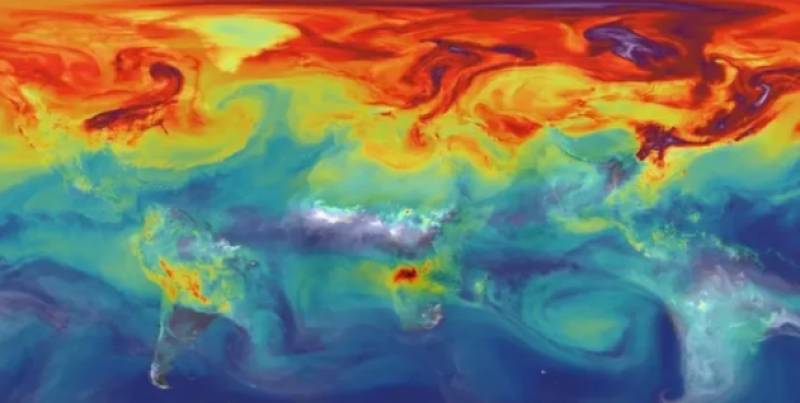
Carbon dioxide and other greenhouse gases in the atmosphere (NASA)
As we wave goodbye to 2025, there is one record nobody wanted it to break. The year has officially gone down as the second warmest ever recorded across the globe, beaten only by the sweltering heights of 2024 and coming neck and neck with 2023.
According to the European Union’s Copernicus Climate Change Service, the average global temperature this year is expected to land around 1.48°C above pre industrial levels. That might sound small, but in climate terms it’s actually huge and uncomfortably close to the 1.5-degree limit that scientists have been warning about for years.
Perhaps the most alarming detail is that this has happened during a year influenced by La Niña. Normally this natural climate pattern cools things down slightly by lowering temperatures in the equatorial Pacific. In 2025, it barely made a dent.
As in other record-breaking years, the main reason 2025 ranks second on the historical list has much to do with the sustained increase in greenhouse gases in the atmosphere. The main gases that have contributed to warming are, in order of importance, carbon dioxide, methane and nitrous oxide. Burning fossil fuels remains the biggest culprit but deforestation and heavy reliance on oil and gas in parts of the world are also keeping the heat dial turned up.
All that extra energy has to go somewhere and most of it ends up in the oceans. They absorb more than 90% of the excess heat created by global warming, acting like a giant storage heater for the planet. Eventually that heat leaks back into the atmosphere which helps explain why air temperatures keep rising even in supposedly cooling years.
The consequences were felt far and wide in 2025. Europe endured deadly heatwaves over the summer with an estimated 16,500 deaths linked directly to extreme heat. Cities baked through tropical nights while drought and wildfires gripped parts of the Mediterranean, including Spain of course.
Elsewhere, Hurricane Melissa tore through Jamaica in October killing more than 80 people and causing billions in damage. Scientists later confirmed that climate change made the storm wetter and more powerful. In Asia, a run of cyclones and storms triggered deadly floods and landslides across several countries, leaving more than 1,600 people dead.
Once again the Arctic warmed faster than anywhere else with sea ice shrinking even during the winter months. That loss of ice matters because it reflects less sunlight back into space, which only accelerates warming further.
East Antarctica also caused concern last year after recording unusually high temperatures for a region once considered relatively stable. North America faced intense heat drought and an aggressive wildfire season while Australia sweltered through one of its hottest years on record, putting intense pressure on water supplies and marine life.
The uncomfortable takeaway is that natural climate patterns like La Niña are no longer enough to counterbalance the sheer weight of human driven warming. Even when nature tries to cool things down, the heat keeps winning.
The Earth is getting warmer every year. Heat waves, both on land and at sea, have lasted for weeks and even months, and the fact that 2025 has been so warm overall, coinciding with the presence of La Niña, is cause for concern.
The data recorded confirms what has been predicted for some time: the planet is dangerously approaching the +1.5°C threshold compared to the pre-industrial era. This is a limit that experts have labelled crucial in relation to the international climate agreements signed a decade ago in Paris.
We have already experienced the consequences of this warming and so much accumulated energy. More intense heat, more frequent and longer droughts, more devastating wildfires, and extreme weather events that increasingly affect a growing number of people. Every tenth of a degree increases the risk to human health, food security and ecosystems.












 Spanish News Today
 Alicante Today
 Andalucia Today